White potato is usually seen as just a carbohydrate but it actually contains all nine essential amino acids, making it a complete protein source.
By Gary Chappell
White potato is usually thought of as a carbohydrate source but it is also a complete protein containing all nine essential amino acids.
Most people understand that muscle growth requires all amino acids to be present in the bloodstream. So where does a food like the white potato fit in?
While debate rages about how much protein is needed per day, there is not so much around how carbohydrates help.
So when it comes to bodybuilding nutrition, the white potato might not be the first food that comes to mind. But the white potato is a unique and underrated source of complete protein.

What Is a Complete Protein?
A complete protein contains all nine essential amino acids that the human body cannot produce on its own. These amino acids are crucial for muscle repair and growth, making complete proteins a cornerstone of any bodybuilding diet. While animal products are the most common sources of complete proteins, certain plant-based foods, such as quinoa and soy, also qualify. Surprisingly, the white potato falls into this category as well. Interestingly, this is not true for sweet potatoes, which lack the essential amino acid tryptophan.
White potatoes contain only around two grams of protein per 100g, but it is the quality of that protein that matters. Despite its modest protein content, the potato provides all nine essential amino acids in balanced proportions. This makes the protein in potatoes remarkably efficient for muscle recovery and growth, especially when combined with other protein sources.
According to the National Library of Medicine: “Depending on the cultivar, the biological value of potato protein is between 90 and 100 and is very similar to the biological value of whole egg protein.”
SUGGESTED WHITE POTATO MEAL [DIRECT MACROS ONLY]
| 285g white potato | sliced and air-fryed | 50g carbs |
| 131g extra-lean medallion steak [Sainsbury’s] *These are 2.8g fat per 100g | Any seasoning | 40g protein |
| 20g almonds | whole | 10g fat |
For bodybuilders, carbohydrates are just as important as protein. As we know, they provide the energy needed for intense workouts and help replenish glycogen stores post-exercise. Potatoes are an excellent source of complex carbohydrates, offering sustained energy, despite being high on the Glycemic Index.
Some of the sharpest minds in bodybuilding suggest only one gram of protein per pound of total bodyweight is needed. In fact, American coach Justin Harris says that even if we synthesise 19 grams of protein per day, we would be gaining 50lbs of muscle per year. Name a bodybuilder who is gaining at that rate? So rather than eating protein in excess of 400-500 grams per day, increasing your carbs would aid muscle growth. It does this by allowing protein to be used for what it is meant for, rather than having your body break it down for energy [gluconeogenesis]. All that excess protein being used as energy is going to be an expensive carbs source.
So while the potato is primarily a carb source, its status as a complete protein makes it a valuable addition. By incorporating potatoes, you can fuel your workouts and support muscle growth in a balanced, nutrient-dense way.
Understanding the Glycemic Index (GI)
Despite these benefits, potatoes have a relatively high glycemic index (GI), which might seem counterintuitive given their nutritional value.
The Glycemic Index measures how quickly a carbohydrate-containing food raises blood sugar levels after consumption. Foods are ranked on a scale from 0 to 100, with higher numbers indicating faster spikes in blood glucose.
Reasons for high GI in white potatoes
- Starch Composition:
- Type of Starch: Potatoes are rich in starch, a type of carbohydrate made up of glucose molecules. The specific types of starches in potatoes (amylose and amylopectin) can influence how quickly they are digested. Amylopectin, which is more prevalent in potatoes, is more easily broken down by digestive enzymes. This leads to faster glucose release and a higher GI.
- Processing and Cooking:
- Cooking Methods: The way potatoes are cooked significantly affects their GI. For instance, boiling or baking potatoes can gelatinise the starches, making them more easily digestible and thus raising the GI. Conversely, cooling cooked potatoes after boiling (potato salad) can lower the GI by forming resistant starch, which is digested more slowly.
- Processing: Processing methods, such as mashing or frying, break down the potato’s structure, making it easier for digestive enzymes to access the starch, which results in a higher GI. Mashed potatoes, for example, have a higher GI than whole boiled potatoes.
- Lack of Fiber:
- Relatively Low Fiber Content: Potatoes have a moderate amount of dietary fibre, but it is not enough to significantly slow down the digestion of their starch content. Fibre can help lower the GI of a food by slowing the rate at which carbohydrates are broken down and absorbed.
- Variety of Potato:
- Different Types: Not all potatoes have the same GI. For example, waxy potatoes like red potatoes generally have a lower GI than starchy potatoes such as Russets.
how much protein do you need to build muscle?
online coaching for fat loss and muscle building
online coaching for fat loss and muscle building
*Original article was published at www.frontdouble.com

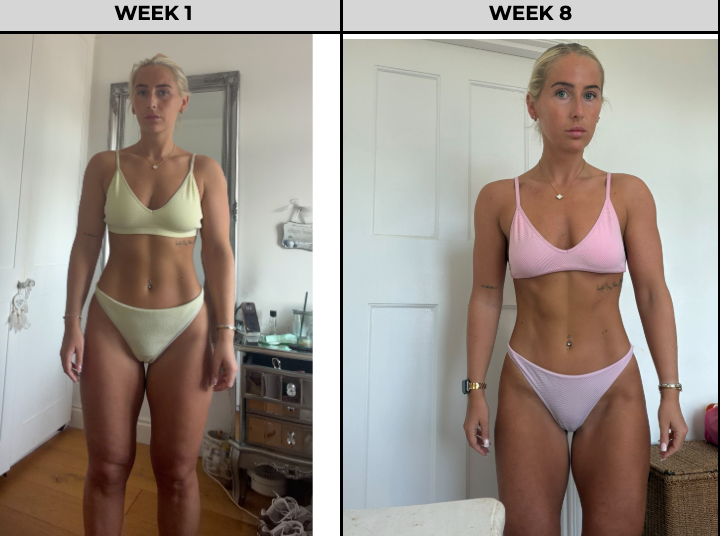
8-Week Transformation: Leaner, tighter and more athletic in 56 days
No crash diet. Just structure, protein and consistency By Gary Chappell IN eight weeks Georgia Currie did not chase a crash diet. She followed a

4-Week Holiday Tidy-Up: How Charlotte Gerrett Dropped 11lbs
Proving what focused, short-term structure can do before a holiday – no crash diets required By Gary Chappell Charlotte Gerrett, Assistant Manager at PureGym, came
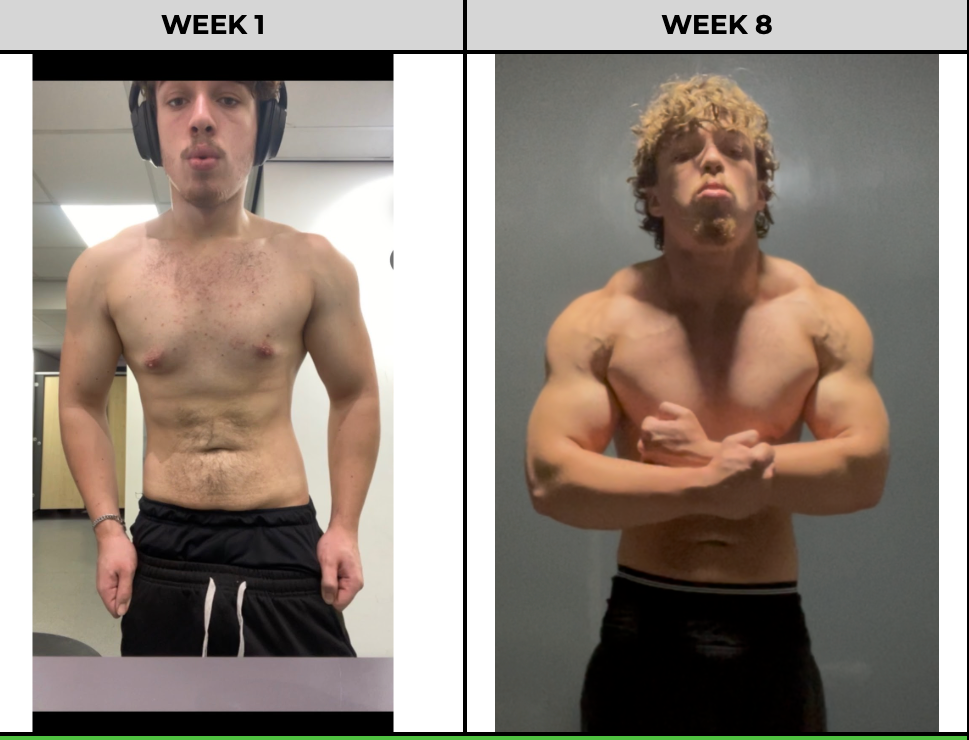
8-Week Muscle Transformation: Lennie, 19
In just eight weeks, Lennie transformed his physique – building noticeable muscle and improving overall shape through structured diet and training By Gary Chappell LENNIE,